Visibility & Temptation
Devices in sight trigger use automatically. When phones and tablets are visible, the brain activates habitual checking patterns. Removing visibility eliminates a major cue.
Your environment shapes behaviour more powerfully than willpower. Learn practical design principles to reduce device temptation and create naturally screen-free zones in your home.
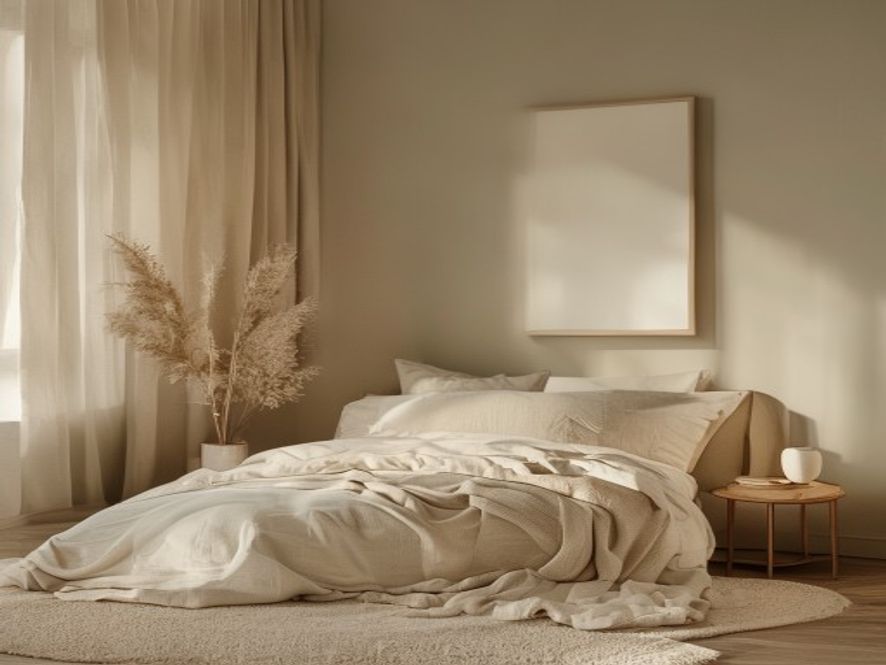
Environmental psychology shows that your surroundings influence habit patterns more than conscious intention. Smart design reduces reliance on willpower.
Devices in sight trigger use automatically. When phones and tablets are visible, the brain activates habitual checking patterns. Removing visibility eliminates a major cue.
Easy access increases use. If phones are across the room, you're more likely to leave them there. If they're on your nightstand, you'll check at 2am. Friction is your ally.
Bright, cool light signals activity. Warm, dim light signals rest. Your bedroom lighting directly influences whether your brain perceives the space as a place for sleep or stimulation.
Bedrooms for sleep, living rooms for activities, workspaces for work. When spaces have clear purposes, you unconsciously align behaviour to match. Mixing purposes weakens all of them.
Small environmental tweaks significantly increase success. Start with one space and build from there.
Light exposure shapes your circadian rhythm and directly affects sleep quality. Strategic lighting is foundational.
Get bright, cool light exposure. Open curtains fully. This resets your circadian rhythm and supports alertness. Cold light (blue spectrum) signals daytime to your body.
Maintain bright, natural light. Work near windows if possible. Natural daylight supports mood and alertness. Artificial bright light is acceptable but less effective.
Begin dimming. Switch to warm-toned bulbs (2700K or lower). Reduce overall brightness. This begins signalling your body to prepare for sleep without artificial suppression.
Use only warm, low-level light. Dim lamps, candles, or reading lights. Avoid all bright overhead lights. Your bedroom should feel distinctly different from daytime spaces.
Smart bulbs that shift colour temperature automatically can simplify this, but manual control is equally effective and often cheaper.
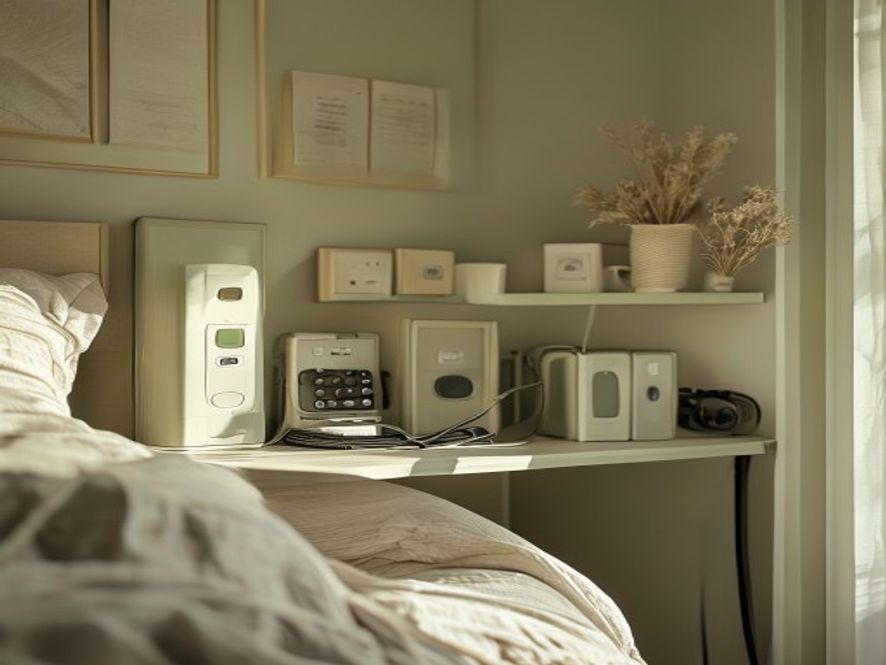
Physical distance from your bedroom is one of the highest-impact changes. A central "charging station" eliminates devices from sleeping areas and creates natural friction.
Effective environmental design doesn't require renovation. Many changes cost nothing or very little.
When you share your home, environmental design requires buy-in and compromise. Here's how to create household agreements.
Involve all household members in designing screen-free spaces. When people help create the environment, they're more invested in maintaining it. Discuss which room becomes the "device-free zone" and why.
Define where devices are allowed and prohibited. Bedroom: no devices. Living room: devices off during meal times. Work area: off-limits after 6pm. Clarity prevents conflict and normalises the behaviour.
Adults implementing these changes first increases compliance from children and teenagers. If you're storing your phone in another room at 9pm, others are more likely to do the same.
Signs, pictures, or household agreements posted visibly reinforce the message. "Our bedroom is a phone-free zone" signals intentions and reminds people without constant reminders.
Use this checklist to assess your current spaces and identify priority changes.
Moving your phone to another room is one of the highest-impact changes. Even silent phones trigger checking impulses when visible. If you need an alarm, use a separate alarm clock. The difference in sleep quality for most people is noticeable within a week.
Aim for 2700K (warm white) or lower for evening and bedtime. This mimics candlelight and sunset, signalling rest to your nervous system. Cool white (4000K+) is fine for daytime; avoid it after 5pm in bedrooms or evening spaces.
Yes, they can. Smart bulbs that dim and shift colour temperature automatically (brands like Philips Hue) support circadian alignment. However, manual control with warm bulbs and a dimmer is equally effective and often cheaper. The key is consistency, not technology.
Start with your own bedroom and areas you control. For shared spaces, have a conversation with housemates about designating a device-free or screen-free hour. Even partial changes (one room screen-free, collective charging station) significantly help.
Choose one space and make one change this week. Small environmental shifts create lasting habit support.
Download Design Guide